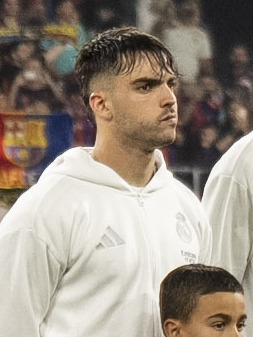
The electrifying atmosphere of a Champions League match, often a stage for heroic triumphs, can also witness moments of profound concern. Such was the case during a pivotal Champions League playoff game when Real Madrid's promising young defender, Raul Asencio, suffered a worrying neck injury. As the Spanish giants secured their place in the coveted Round of 16, the joy was tinged with anxiety over the condition of their 23-year-old centre-back. This incident has not only put Asencio's immediate future in doubt but also cast a spotlight on the brutal physical demands of elite football, with many fans and media outlets closely monitoring updates regarding asencio verletzungen – the specific term used by many German-speaking fans to inquire about his injuries.
The incident, occurring late in the second half, unfolded with a suddenness that stunned spectators and players alike. It served as a stark reminder that even in moments of collective success, individual player welfare remains paramount. The sight of Asencio being stretchered off in a neck brace was a stark visual testament to the severity of the collision he endured, prompting immediate prayers and well wishes from across the football community.
The Alarming Incident: A Deep Dive into Asencio's Champions League Scare
The crucial Champions League playoff match was nearing its conclusion, with Real Madrid poised to advance, when disaster struck for Raul Asencio. Around the 77th minute, in a moment that encapsulated the fierce physicality of European football, Asencio was involved in a heavy mid-air collision with a teammate. Both players were challenging for an aerial ball, a common occurrence in any football match, but the landing proved catastrophic for the young defender.
He landed awkwardly, immediately staying down and clearly in visible pain, clutching his neck. The swift response from the medical team underlined the gravity of the situation. Several minutes of on-pitch treatment followed, a period during which the entire stadium held its breath. The decision to place him in a neck brace and carefully stretch him off the pitch indicated the medical staff's concern for a potential spinal or severe neck injury. He was subsequently taken directly to hospital for comprehensive precautionary checks, a standard protocol in such high-impact incidents.
While the focus understandably shifted to Asencio's condition, the match itself continued. Real Madrid managed to hold onto their lead, winning the game 2-1 and securing an aggregate victory of 3-1, thereby qualifying for the Champions League Round of 16. Yet, the jubilant celebrations were undoubtedly muted by the palpable concern for their teammate. This incident highlights the paradox of professional sports, where the pursuit of victory often comes at a high personal cost for the athletes involved. The sheer athleticism required to compete at the highest level means players are constantly pushing their physical limits, making them vulnerable to such unforeseen occurrences.
Initial Assessments and the Road Ahead for Asencio
Following the harrowing incident, initial updates provided a collective sigh of relief, stating that the situation, while serious, did not appear to be life-threatening. This preliminary assessment is a crucial first step, but it doesn't diminish the severity of a neck injury nor the potential challenges in recovery. Neck injuries in football, especially those involving collisions and awkward landings, can range from muscle strains and whiplash to more severe ligament damage or even fractures. The use of a neck brace and immediate hospital transport indicates the medical team's vigilance in ruling out the most serious possibilities.
For a young athlete like Asencio, still in the early stages of his career, a significant injury like this can be a major setback. Recovery from neck injuries often requires a multi-faceted approach, tailored to the specific diagnosis, but generally includes:
- Rest and Immobilization: Initial phases focus on preventing further damage and allowing acute inflammation to subside, often with the aid of a brace or collar.
- Pain Management: Administering appropriate medications and other therapies to alleviate discomfort, allowing for better sleep and initial movement.
- Physical Therapy: A structured program involving gentle exercises to gradually restore range of motion, build strength in the neck and surrounding muscles, and improve postural control. This often includes manual therapy and targeted strengthening.
- Gradual Return to Play: A carefully managed process, often starting with light cardio, progressing to non-contact drills, and then full team training before being cleared for competitive action. This is crucial to prevent re-injury.
The duration of recovery can vary wildly depending on the exact diagnosis. A mild strain might see a player return in a few weeks, while more complex issues could sideline an athlete for months, potentially impacting an entire season. Real Madrid's medical staff will now embark on a meticulous diagnostic and rehabilitation process, ensuring Asencio receives the best possible care to facilitate a full and safe return to the pitch. The journey back from such an injury is not just physical; it also demands immense mental resilience, requiring patience and dedication. For more detailed insights into the immediate aftermath, you can refer to Raul Asencio Suffers Worrying Neck Injury in Champions League.
Real Madrid's European Journey Continues Amidst Injury Concerns
While the focus on asencio verletzungen is undoubtedly significant, Real Madrid, as a club, must navigate the immediate challenges posed by his absence. Their qualification for the Champions League Round of 16 marks another successful chapter in their illustrious European campaign. This achievement, however, is tempered by the potential loss of a promising defender. In the high-stakes world of elite football, squad depth becomes paramount, especially for teams competing on multiple fronts across domestic leagues, cups, and continental competitions.
Real Madrid boasts a formidable squad, accustomed to overcoming adversity. The manager will now have to assess his defensive options, potentially relying more heavily on other centre-backs, shifting experienced players into the role, or adjusting tactical formations to cover Asencio's absence. This situation underscores the delicate balance clubs must maintain between pushing for silverware and managing player welfare. The availability of key players can often be the difference between success and failure in crunch matches, particularly in the knockout stages of the Champions League where every detail matters.
Historically, Real Madrid has demonstrated remarkable resilience in the face of injuries to star players, a testament to their deep talent pool and winning mentality. Their ability to adapt and perform under pressure is a hallmark of the club. However, each injury, regardless of the player's profile, presents a unique challenge that tests the tactical acumen of the coaching staff and the mental fortitude of the remaining players. The team's continued strong European campaign provides a silver lining, but the underlying concern for Asencio's health will undoubtedly remain a talking point among fans and pundits, as his potential return date becomes a critical factor. For further updates on his status, check out Real Madrid's Asencio Stretchered Off with Neck Injury Update.
Understanding Neck Injuries in Professional Football: Prevention and Rehabilitation
Neck injuries, while perhaps less common than knee or ankle issues, can be among the most debilitating for athletes due to their critical role in body mechanics, balance, and proximity to the spinal cord. In football, these injuries often arise from:
- High-Impact Collisions: Head-to-head, head-to-shoulder, or head-to-ground impacts, particularly during contested aerial duels, tackles, or falls.
- Awkward Falls: Landing incorrectly after jumping, being unbalanced, or being fouled, leading to sudden hyperextension or hyperflexion of the neck.
- Whiplash-type Incidents: Sudden, forceful movements of the head and neck, often occurring when a player is blindsided or loses control.
The severity can range from minor muscle strains, causing stiffness and discomfort, to more severe issues like nerve impingement, disc herniation, or even vertebral fractures, which require extensive recovery protocols. The heightened focus on asencio verletzungen highlights the paramount importance of understanding prevention and meticulous rehabilitation protocols in elite sports.
Prevention Strategies for Neck Injuries in Football:
While it's impossible to eliminate all risks in a contact sport, several strategies can significantly reduce the incidence and severity of neck injuries:
- Targeted Strength and Conditioning: Developing strong neck, upper back, and core muscles provides better stability and shock absorption during impacts. Programs should include specific exercises for neck flexors, extensors, and rotators.
- Proper Technique Training: Coaches play a vital role in teaching players safe heading techniques, emphasizing contact with the forehead and proper body positioning, and instructing on how to fall safely to minimize whiplash effects.
- Enhanced Awareness and Communication: Players need to be constantly aware of their surroundings, especially in congested areas of the pitch, and communicate effectively with teammates to avoid unnecessary collisions during aerial contests or defensive challenges.
- Appropriate Equipment: While not universally used, some players, especially those with a history of head or neck trauma, may benefit from specialized head protection. Furthermore, ensuring pitch conditions are safe can indirectly reduce the risk of awkward falls.
- Warm-up and Flexibility: Comprehensive warm-up routines that include dynamic stretches for the neck and upper body can improve range of motion and muscle readiness, reducing strain.
Rehabilitation and Psychological Impact:
Once an injury occurs, comprehensive and individualized rehabilitation is absolutely crucial. This typically involves:
- Accurate Diagnosis: Utilizing advanced imaging techniques such as MRI, CT scans, and X-rays to precisely identify the nature and extent of the injury, guiding the treatment plan.
- Structured Physiotherapy: A carefully designed program of guided exercises to restore mobility, build strength, improve endurance, and enhance proprioception (awareness of body position) in the neck and surrounding structures. This phase is carefully managed by expert physiotherapists.
- Gradual Progression and Return-to-Play Protocol: A phased and closely monitored return-to-play process, ensuring the neck can gradually withstand the escalating demands of professional football – from light training to full contact – before competitive action is sanctioned by medical staff.
- Psychological Support: Returning from a neck injury, especially one as publicly visible and potentially career-altering as Asencio's, can be mentally challenging. Players may experience fear of re-injury, anxiety about performance, or frustration over their absence. Strong psychological support from sports psychologists, coaches, and teammates is vital for fostering a positive mindset and building confidence for a successful return.
Patience is paramount in recovery from such injuries. Rushing a player back prematurely can lead to re-injury, chronic issues, or a diminished performance capacity. The long-term health and career of the athlete must always take precedence over immediate team needs, no matter how pressing the fixture list may be.
The incident involving Raul Asencio serves as a powerful reminder of the physical sacrifices made by professional footballers. While Real Madrid continues its quest for European glory, the primary concern remains the well-being of their young defender. The initial positive prognosis offers hope, but the road to full recovery will undoubtedly be long and challenging. We join fans worldwide in wishing Raul Asencio a swift and complete rehabilitation, eagerly anticipating his safe return to the pitch. His resilience and the dedicated care from Real Madrid's medical team will be crucial in overcoming this significant hurdle, allowing him to once again showcase his talent for Los Blancos and continue his promising career.